Above the Gorge
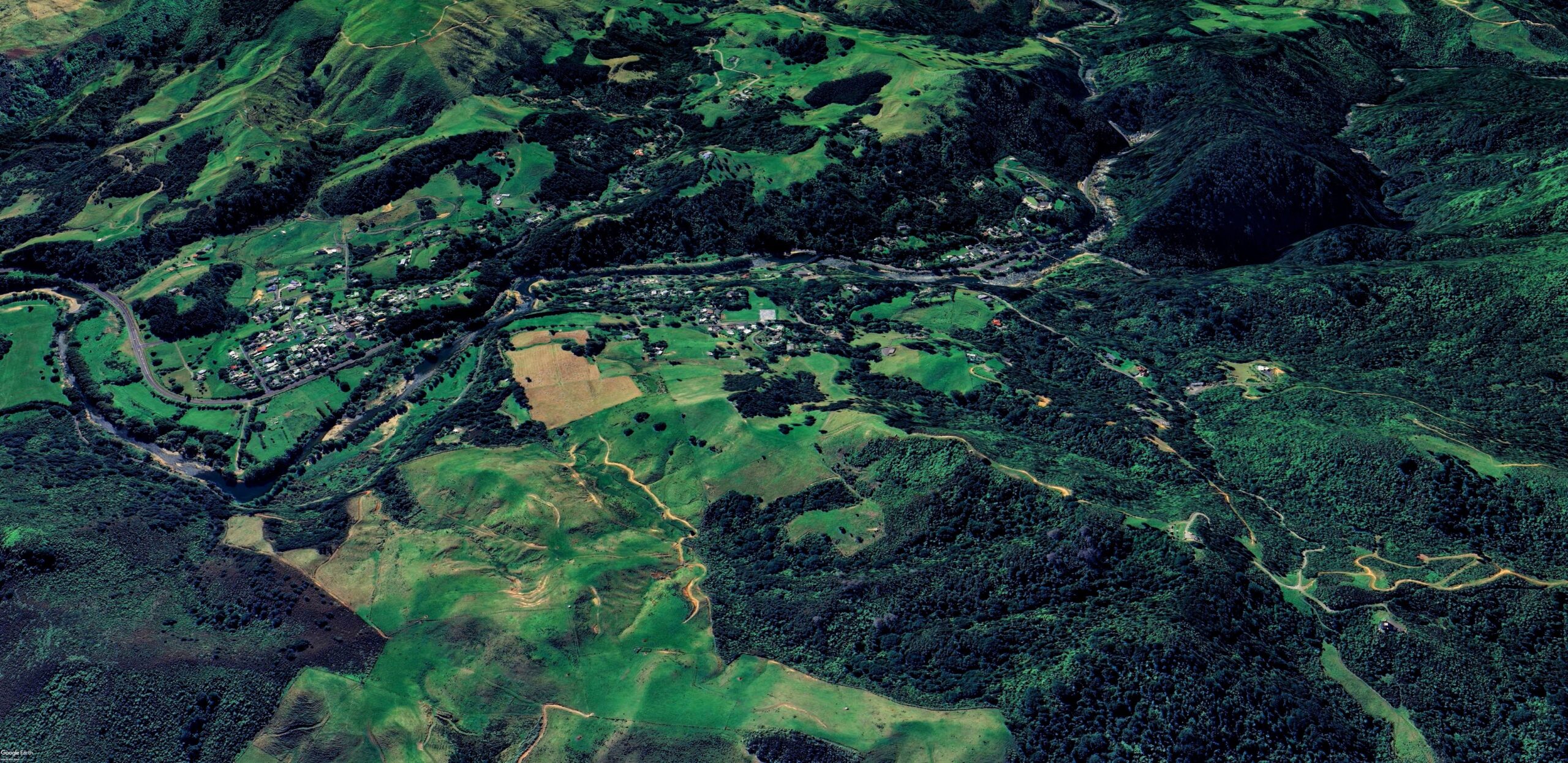
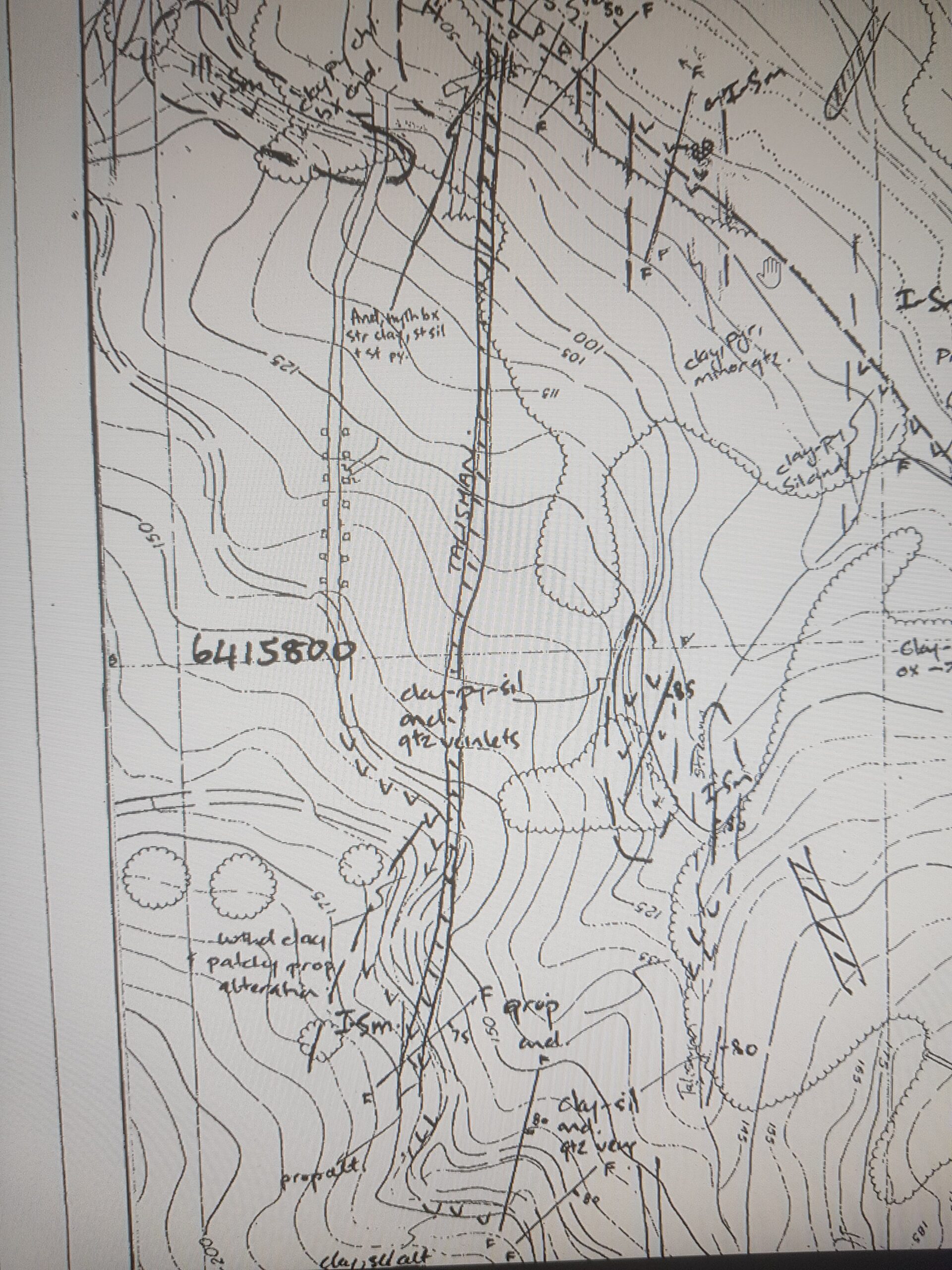
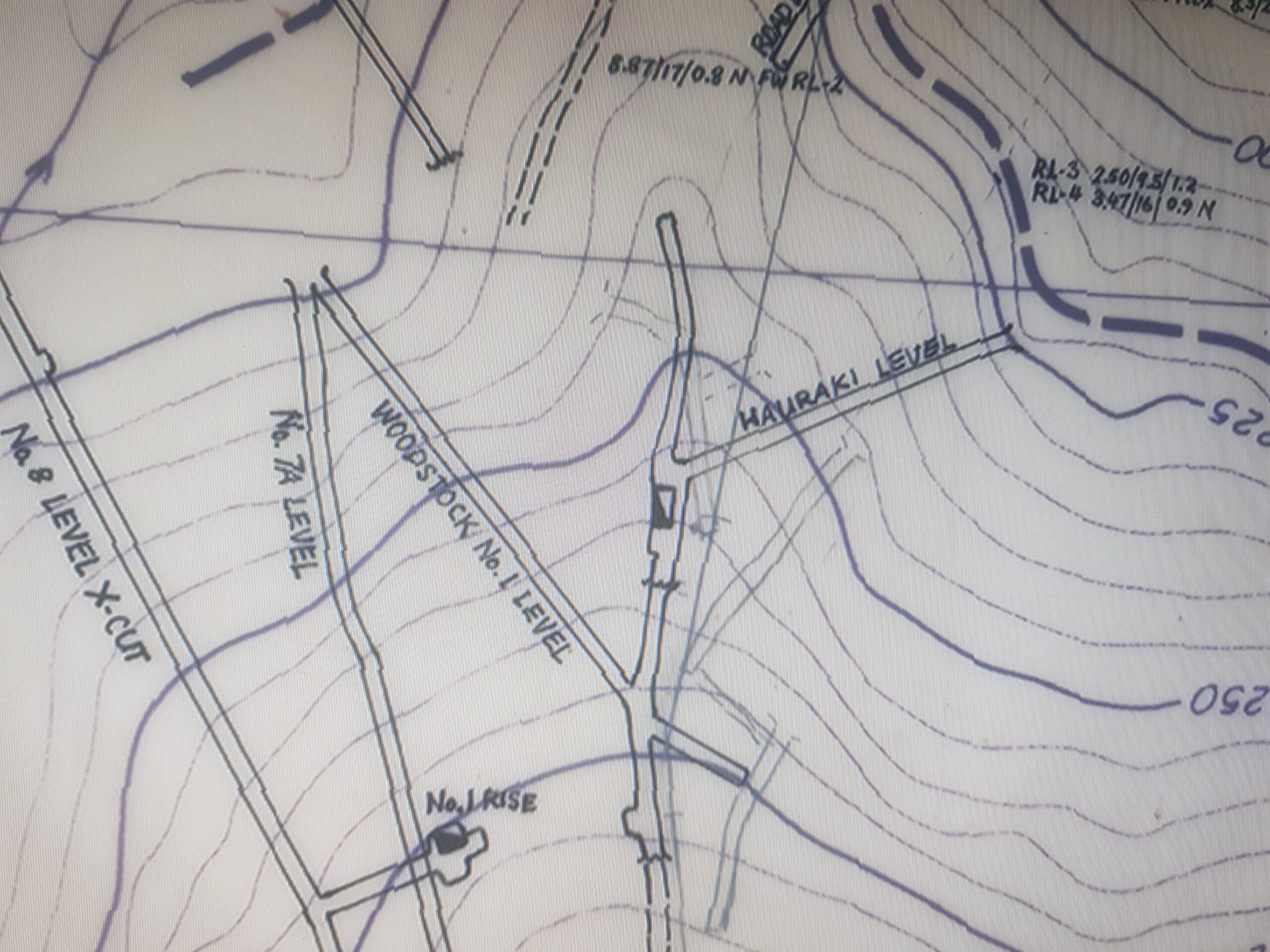
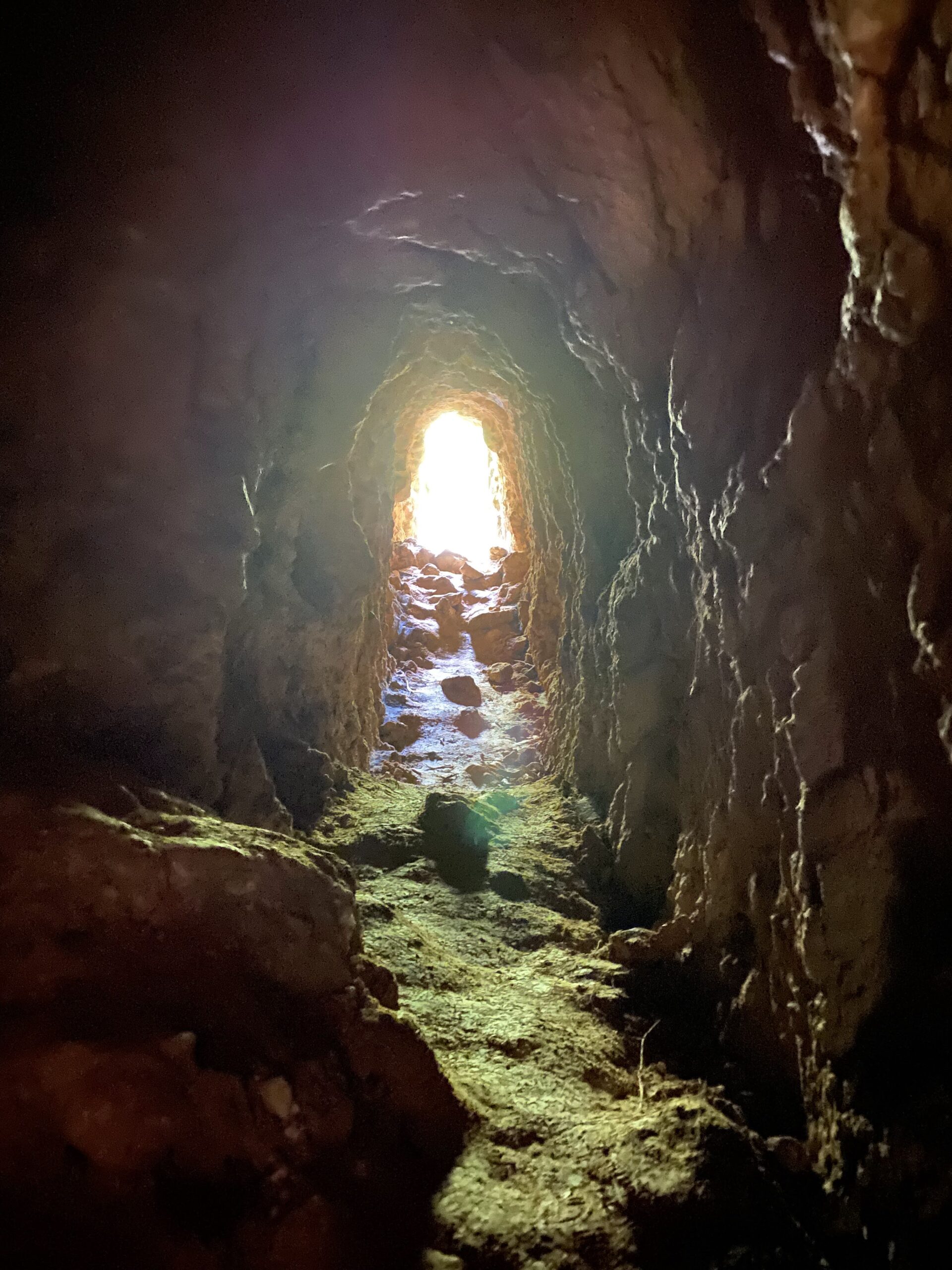
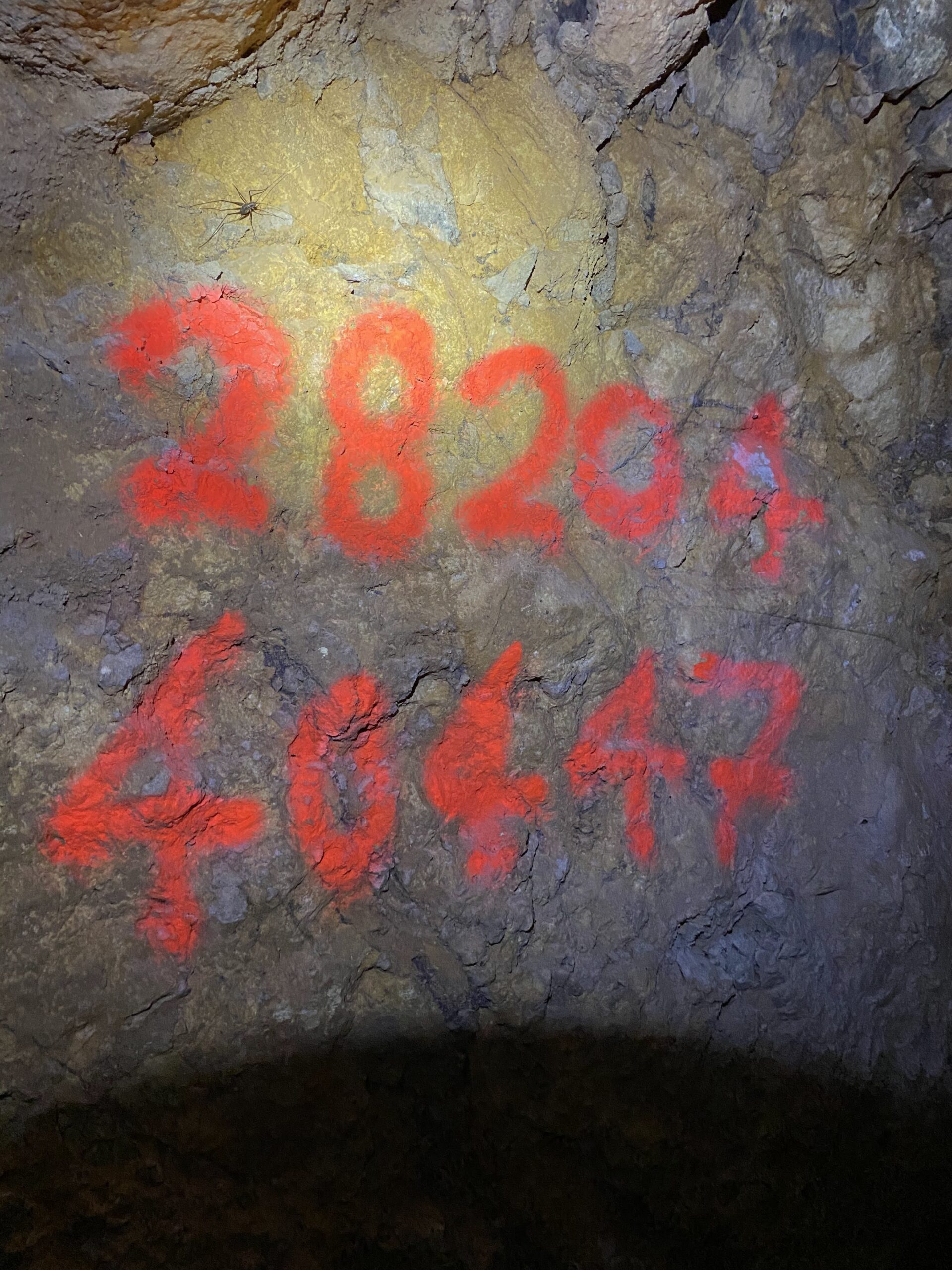
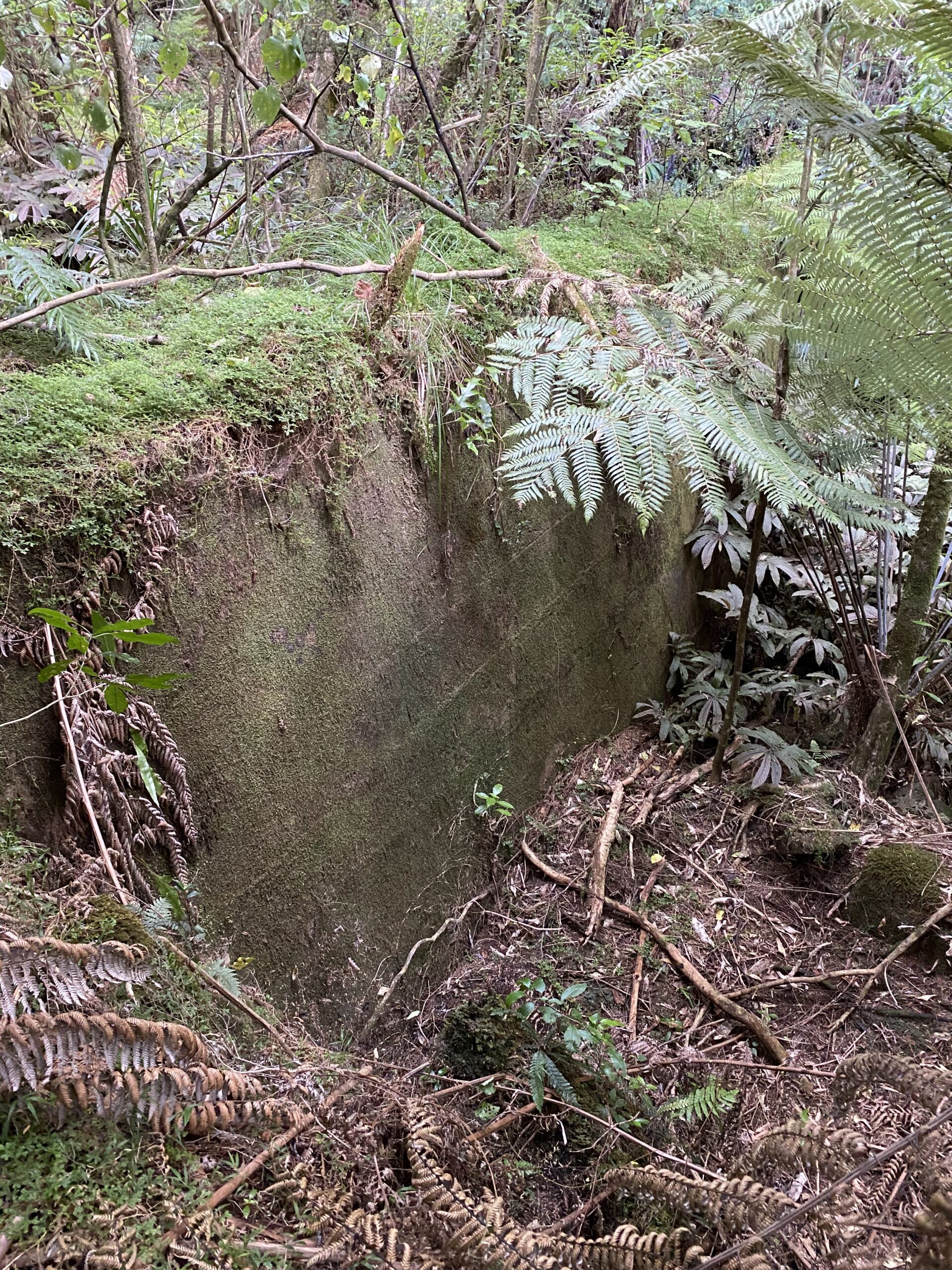
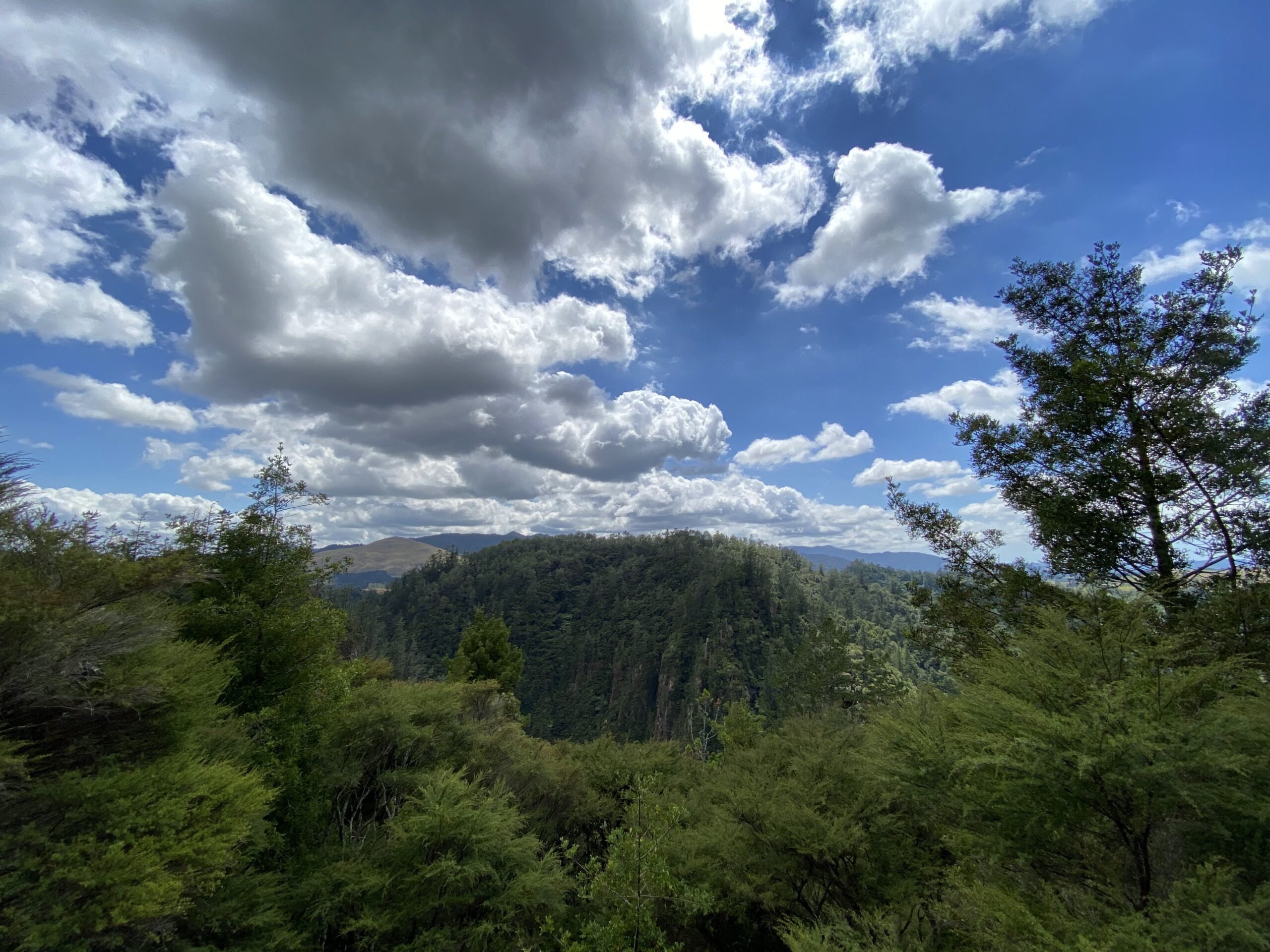
Above the gorge, the landscape starts giving up clues: a tunnel mouth glowing with daylight, old concrete tucked into the bush, red markings on rock, a hand-drawn map, a waterfall in the shade, and a view back across the ranges. This feels like the kind of place Two Ranges is built for, part walk, part local history, part quiet investigation. Not everything needs to be explained straight away. Some stories begin by noticing what is still there.
Into the old workings
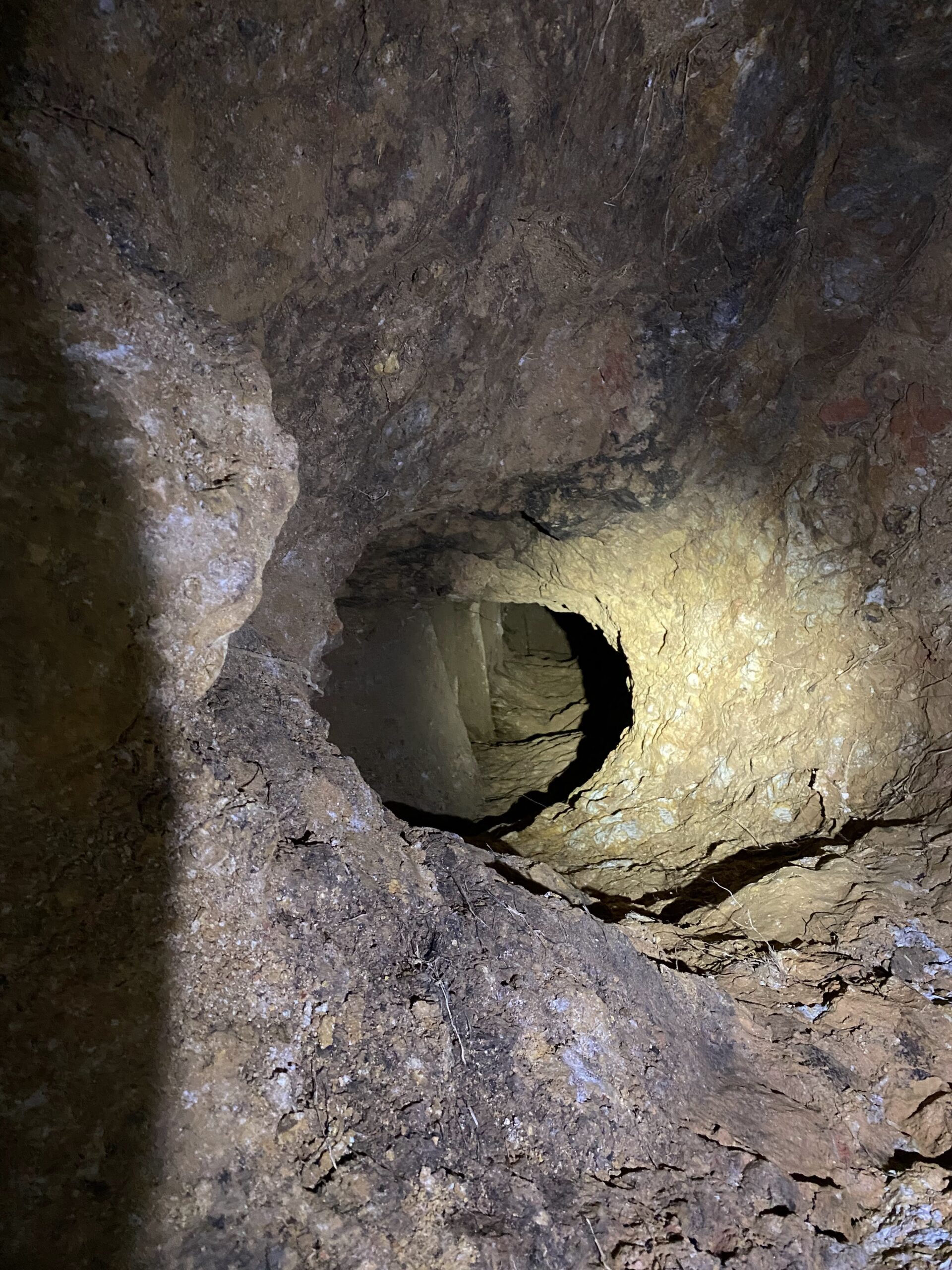
The tunnel changes the feeling of the walk. Outside, everything is green and open. Inside, the light narrows, the rock closes in, and the place starts to feel older. There are marks on the walls, openings in the stone, and details that are practical rather than decorative. They feel like remnants of work but without checking the history, they stay as questions rather than answers.
Reading the land
The hand-drawn map feels like a bridge between the visible and the hidden. On the track, you see bush, slopes, water, and stone. On the map, those same places become lines, names, contours, and possible routes. This is where the story shifts from “what did we see?” to “what are we looking at?” The map does not solve the mystery by itself, but it gives the next set of questions.